
Let’s talk about non-conventional therapies.
When we hear the word therapy, many of us picture a traditional setting — a quiet room, a conversation, a child being asked to “use their words.”
But what happens when words aren’t enough?
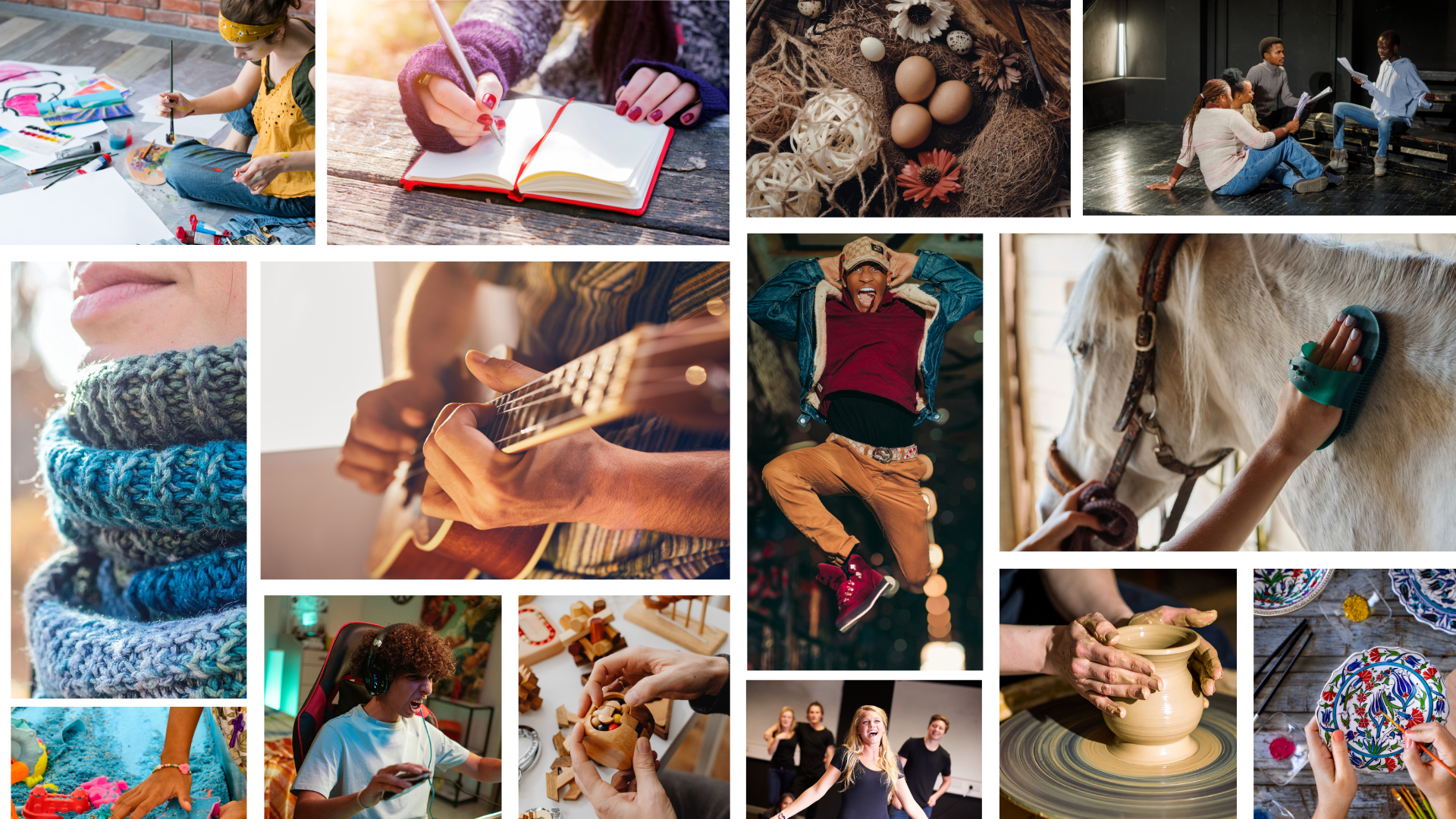
Non-conventional therapies — can also be referred to as creative, expressive or non-verbal therapies — offer alternative pathways for children to process emotions and experiences. These approaches use platforms like play, art, music and animal interaction to support expression in ways that feel natural and safe.
Rather than placing pressure on a child to explain what they’re feeling, these therapies focus on the creative process itself. Through exploration and connection, children can build self-awareness, emotional regulation and coping skills in environments that feel engaging, empowering and non-judgmental.
And while these approaches are becoming more recognised, many families still discover them through word of mouth.
So let’s explore some of the most well-known options.
🧸 Play Therapy
Play therapy allows qualified therapists to gain insight into a child’s emotions and experiences through the act of play.
Through both structured and unstructured activities, children are supported to:
Express thoughts and feelings
Explore relationships
Recreate and process experiences
Develop problem-solving skills
Play therapy is often used to address unresolved trauma, reduce stress and anxiety, strengthen social skills and support children navigating ADHD or autism spectrum differences.
For a child, play is not “just play.” It’s communication.
🎨 Art Therapy
Art therapy uses creative expression to enhance emotional and psychological wellbeing.
Whether through painting, drawing, sculpting, collage-making or even simple doodling, children can explore emotions that may feel too complex or overwhelming to verbalise.
Art therapy can support:
Anxiety and depression
Trauma recovery
Self-esteem and identity development
Emotional regulation
Social connection
The act of creating can provide a sense of control, mastery and safe expression. This can be particularly powerful for children who may feel overwhelmed in other environments.
🎸 Music Therapy
Music therapy harnesses rhythm, sound and melody as tools for emotional processing and regulation.
This might involve:
Playing instruments
Songwriting
Listening and reflection
Movement to music
Vocal expression
Music can bypass cognitive barriers and connect directly with emotion. For some children, rhythm helps regulate the nervous system. For others, songwriting becomes a way to tell their story safely.
Music therapy is commonly used to support anxiety, trauma recovery, communication challenges and developmental differences.
Sometimes, a drumbeat can say what a sentence cannot.
🐎 Animal-Assisted Therapy
Animal-assisted therapy introduces safe interaction with animals, often horses, dogs or other trained therapy animals, as part of a therapeutic process.
Connection with animals can:
Reduce stress hormones
Increase feelings of safety and trust
Support emotional regulation
Build confidence and empathy
For children who struggle with traditional relational dynamics, animals can offer unconditional presence and connection without expectation or judgement.
Regulation can begin with something as simple as brushing a horse or sitting beside a calm dog.
But Let’s Broaden the Question…
If art, music and animals can be therapeutic… what else might also hold therapeutic value?
Does something need to sit under a formal label to support wellbeing?
Or can therapeutic value be defined by impact, by how it helps a child regulate, connect, grow and feel safe?
What if therapy could also look like:
🏄♀️ Surfing and building confidence through physical mastery
🪴 Gardening and connecting with nature
🎭 Drama classes that allow emotional exploration
🥋 Martial arts that teach discipline and body awareness
🎤 Choir or group sport that fosters belonging
🧵 Woodworking, sewing or hands-on craft that builds focus and pride
Not to be limited by a textbook definition of “therapy,” families are encouraged to explore activities that genuinely resonate with their child — something they connect with, can grow through and feel proud of. Because sometimes healing happens in unexpected places.
When Should You Consider Non-Conventional Therapy?
You might explore alternative therapy options if:
Your child struggles to engage in traditional talk-based sessions
They express emotions more easily through movement or creativity
They experience anxiety in clinical environments
They are navigating trauma or behavioural challenges
You sense they need a different entry point into support
There is no single “right” time. Often, it begins with noticing what feels difficult and what feels natural.
How Do You Know What’s Right for Your Child?
Every child is different. Start by asking:
Where do they seem most calm?
What activities light them up?
When do they appear most confident?
What environments feel safe to them?
Therapy does not have to look one particular way to be meaningful.
Expanding the conversation around non-conventional therapies is not about replacing traditional models — it’s about recognising that healing is not one-size-fits-all.
It’s about making room for possibility. And sometimes, the most powerful growth begins outside four walls.
